
Supporting teenage growth with the right nutrition doesn’t have to be complicated. Healthy meals for teenage boys go far beyond just eating more. They need the right balance of protein, iron, complex carbohydrates, and healthy fats to fuel rapid muscle development, sustain energy through school and sports, and support brain function during some of the most demanding years of their lives. Whether your teen is an athlete pushing hard at practice or just trying to stay focused through a full school day, the meals they eat play a direct role in how they perform, recover, and grow. This guide covers 12 nutrient-packed meals that are practical to prepare, genuinely satisfying, and built around ingredients that genuinely support teenage growth, strength, and overall health.
Disclaimer: This content is for informational purposes only and is not intended to replace the advice of a registered dietitian or healthcare professional; always consult a qualified provider before making significant changes to your teen’s diet.
1. Beef and Brown Rice Power Bowl
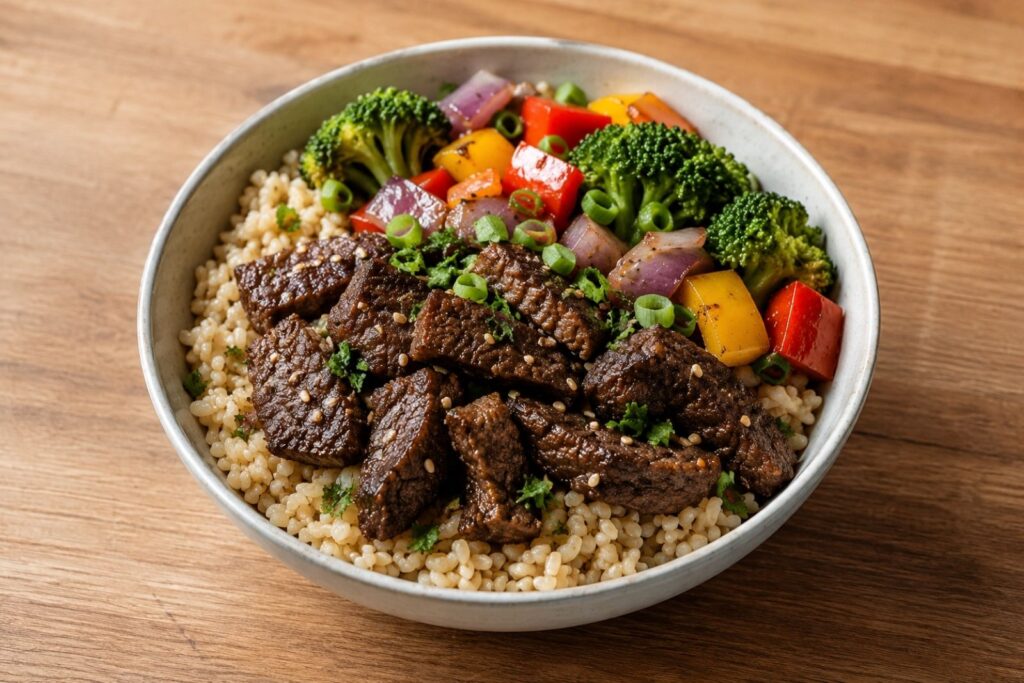
Lean beef is one of the best sources of heme iron, the kind your body absorbs most efficiently, which makes this bowl genuinely useful for teenage boys who may not always get enough iron through their daily diet. Brown rice adds complex carbohydrates that burn slowly, keeping you fueled through long school days or after practice. Pair them together and you have a meal that actually does something.
Why It Helps: Replenishes iron stores to reduce fatigue, provides sustained energy from slow-digesting carbs, and supports muscle growth during peak development years.
Tip: Cook the beef in a cast iron pan for a better sear and richer flavor.
2. Grilled Chicken Breast with Sweet Potato and Green Beans
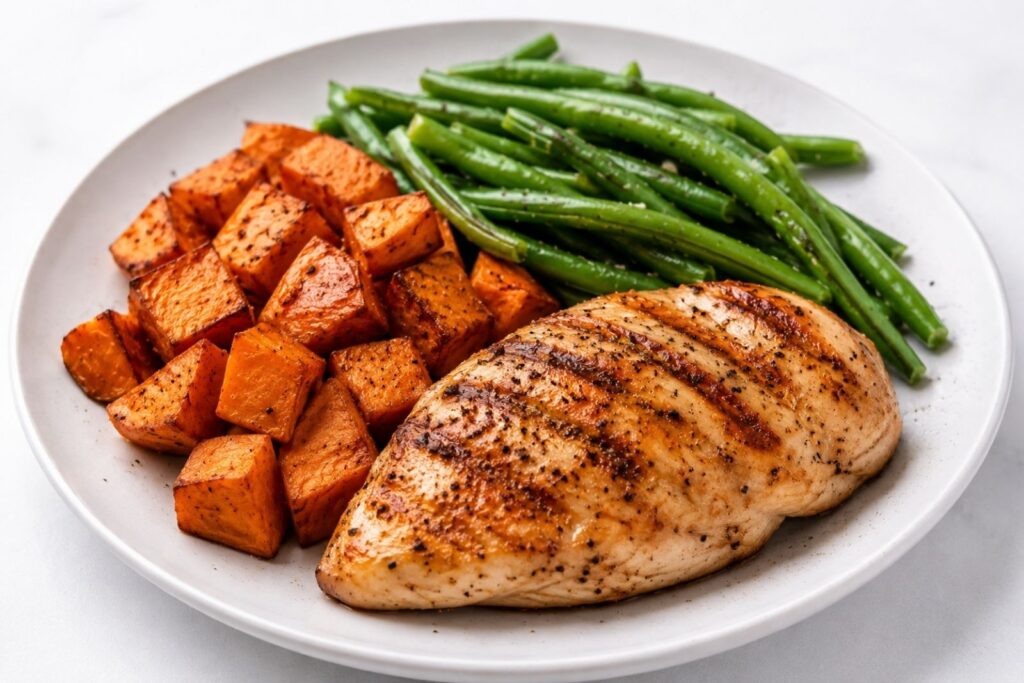
Chicken breast is about as lean as protein gets, and when it sits next to a roasted sweet potato, you get that perfect balance of fuel and recovery in one plate. Green beans bring in fiber and vitamins without weighing the meal down. It is the kind of dinner that feels simple but punches well above its weight nutritionally.
Why It Helps: Lean protein aids muscle repair, sweet potato delivers vitamin A and potassium for energy and muscle function, and green beans support digestive health.
Tip: Roast the sweet potato with a little cinnamon to bring out natural sweetness.
3. Whole Wheat Pasta with Ground Turkey Meat Sauce
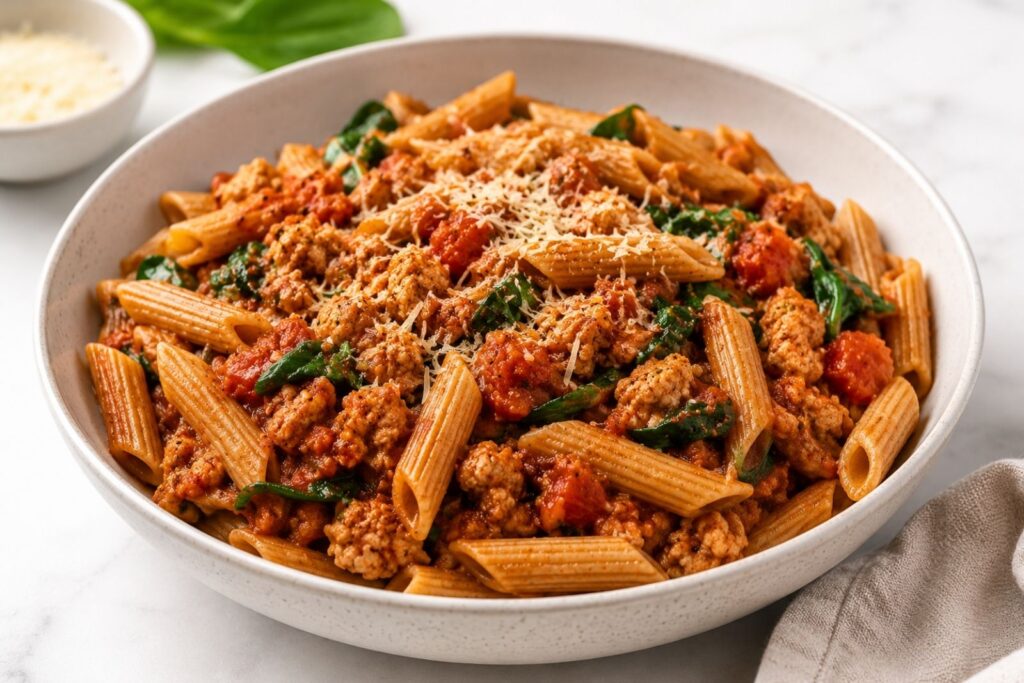
Swapping white pasta for whole wheat is one of those small changes that quietly makes a big difference, since the fiber content slows down how fast the carbs hit your system. Ground turkey keeps the protein high while staying lower in saturated fat than beef, which matters for a growing heart too. The tomato sauce packs in lycopene, an antioxidant that often gets overlooked in a meal like this.
Why It Helps: Whole grains steady blood sugar, turkey supports lean muscle building, and tomatoes provide antioxidants that protect cells during intense physical activity.
Tip: Add spinach to the sauce while it simmers so it wilts right in without anyone noticing.
4. Scrambled Eggs with Avocado and Whole Grain Toast
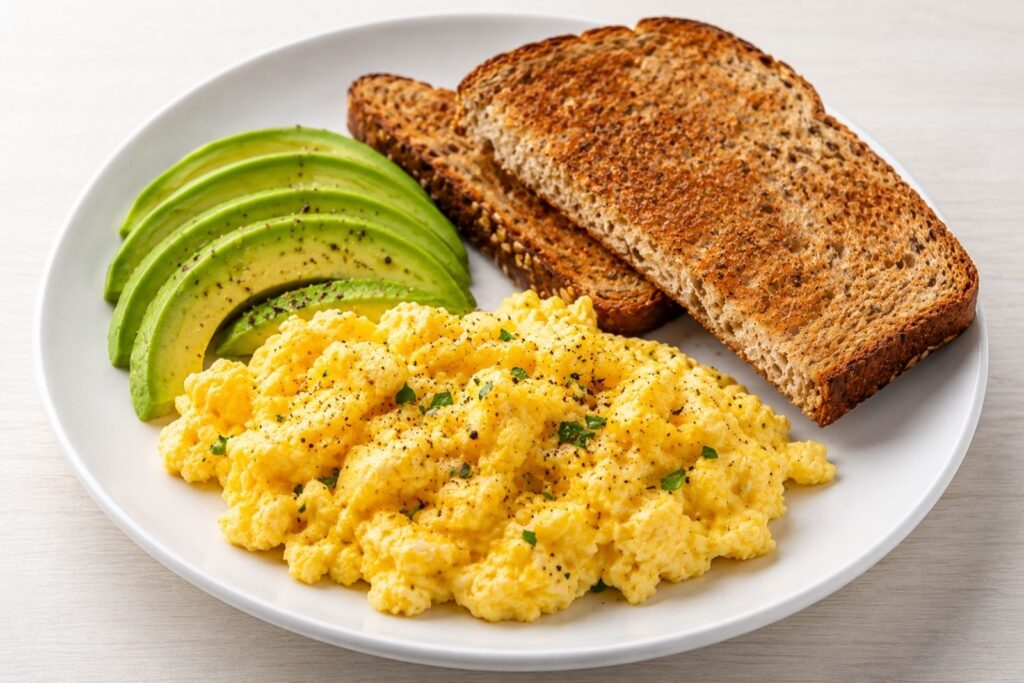
Eggs are one of the most complete foods you can eat in the morning because they carry all the essential amino acids your body needs to start rebuilding muscle after an overnight fast. Avocado layers in healthy fats that support brain function and keep hunger from creeping back too soon. Whole grain toast ties it together with fiber that makes the meal actually stick.
Why It Helps: Choline from eggs supports brain development, healthy fats from avocado fuel mental focus, and complex carbs from the toast provide morning energy without a crash.
Tip: Let the eggs cook low and slow for a creamier texture that actually tastes better.
5. Salmon with Quinoa and Roasted Broccoli
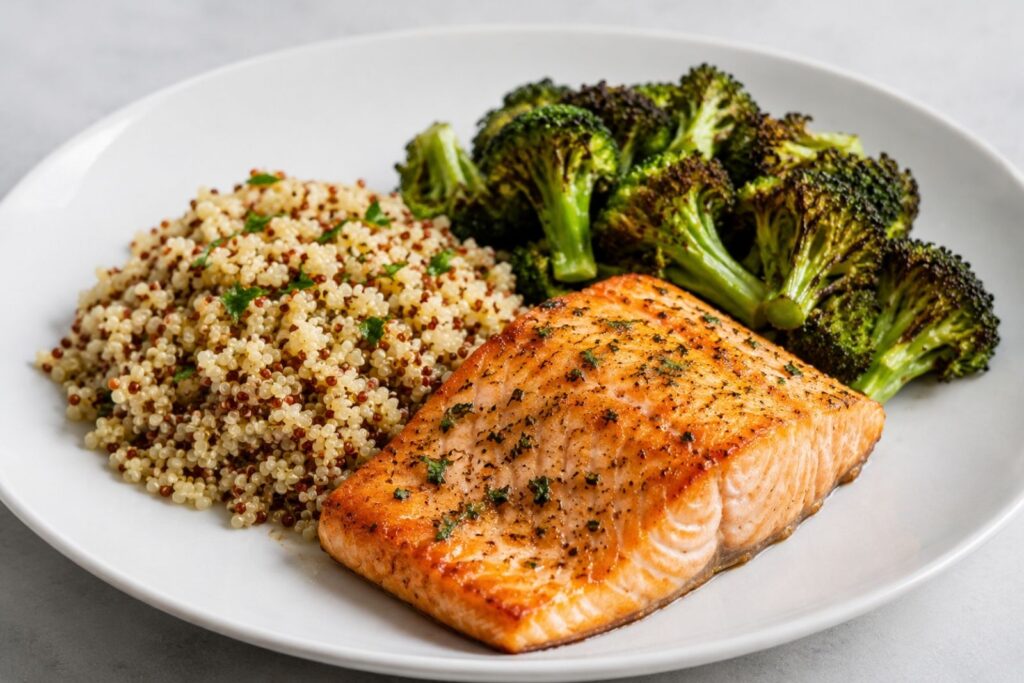
Salmon brings omega-3 fatty acids that most teenage diets are seriously lacking, and those fats play a direct role in reducing inflammation from exercise. Quinoa holds its own as a complete protein source, so this meal ends up stacking protein from two different directions. Roasted broccoli adds vitamin C and calcium, two things actively working to keep bones developing properly.
Why It Helps: Omega-3s reduce post-workout soreness, quinoa and salmon together provide high-quality protein to support growth and recovery, and broccoli supports bone density during growth spurts.
Tip: Roast the broccoli until the edges go slightly crispy because that texture makes it far more enjoyable.
6. Black Bean and Chicken Burrito Bowl
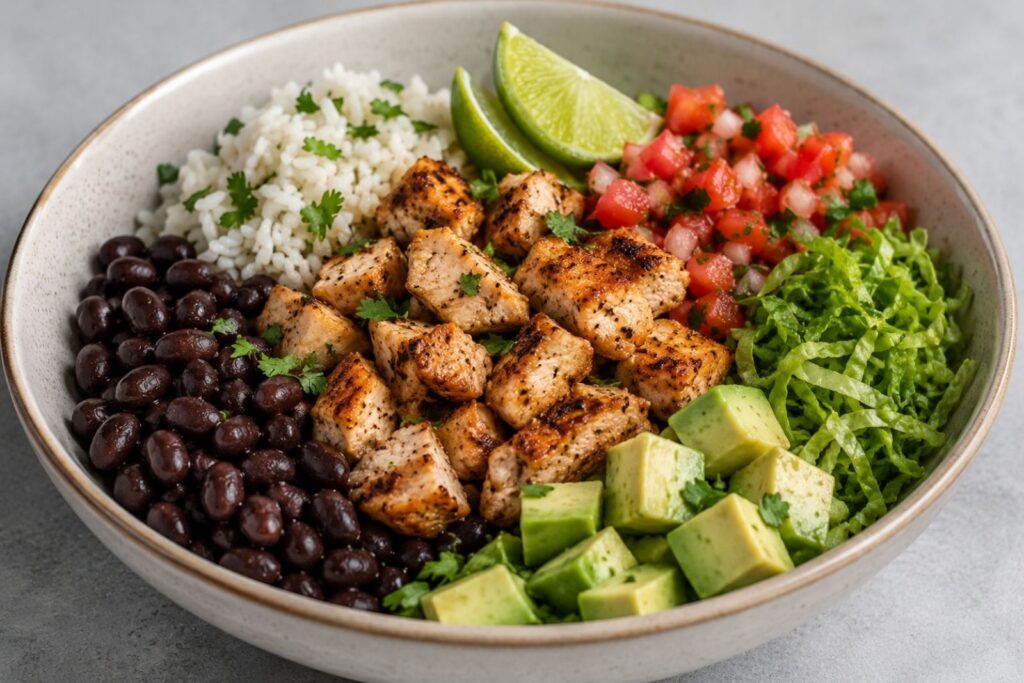
Black beans bring plant-based iron and a generous amount of fiber that most teenage diets are short on, and combining them with chicken doubles the protein without making the meal feel heavy. The bowl format lets you customize with rice, salsa, or greens depending on what you are in the mood for. It is filling in the right way, meaning it carries you through without that sluggish feeling afterward.
Why It Helps: Iron from black beans reduces tiredness, chicken supports muscle tissue repair, and fiber promotes steady digestion and fullness.
Tip: Add fresh lime juice right before eating to brighten all the flavors at once.
7. Tuna Melt on Whole Wheat with a Side Salad
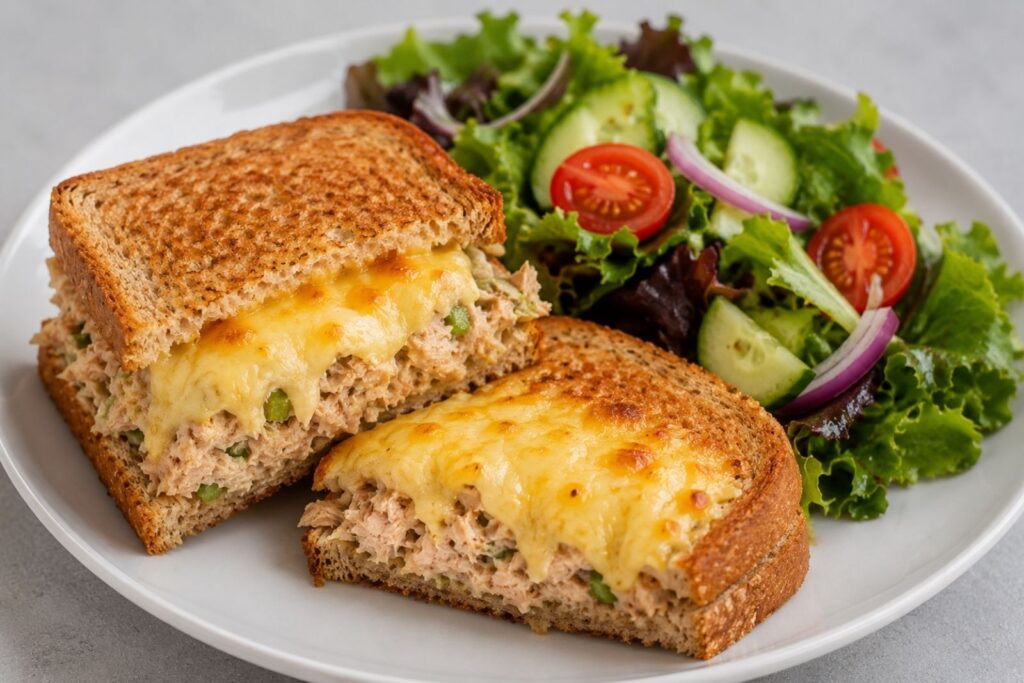
Canned tuna is one of the most underrated high-protein options out there, convenient, affordable, and loaded with nutrients that most people associate only with fresh fish. Melting it on whole wheat with a little cheese adds calcium and makes it feel like an actual satisfying meal rather than a snack. The side salad rounds things out with micronutrients and keeps the meal from feeling too heavy.
Why It Helps: Tuna provides selenium and B12 for energy metabolism, cheese adds bone-strengthening calcium, and the salad delivers vitamins that support immune function.
Tip: Use Greek yogurt instead of mayo in the tuna mix for extra protein, and choose canned light tuna more often than albacore to keep mercury intake lower.
8. Steak Strips with Roasted Vegetables and Brown Rice
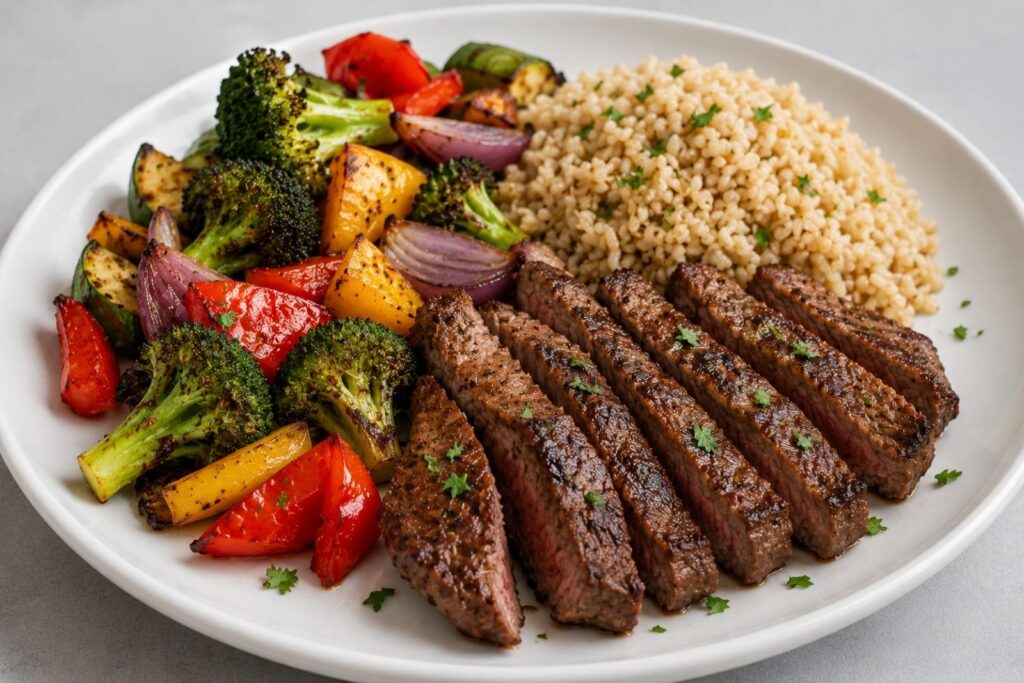
Steak gets a reputation for being indulgent, but in reasonable portions it is one of the most nutrient-dense meals a growing teenager can eat, especially for iron and zinc. Roasting the vegetables brings out their natural sweetness while preserving most of their nutrients. Brown rice grounds the whole plate and keeps energy levels from dipping a few hours later.
Why It Helps: Zinc from steak supports immune health and healthy growth during adolescence, roasted vegetables deliver a broad range of vitamins, and brown rice provides lasting fuel for active days.
Tip: Slice the steak thin against the grain so every bite stays tender.
9. Cottage Cheese and Fruit Bowl with Nuts and Honey
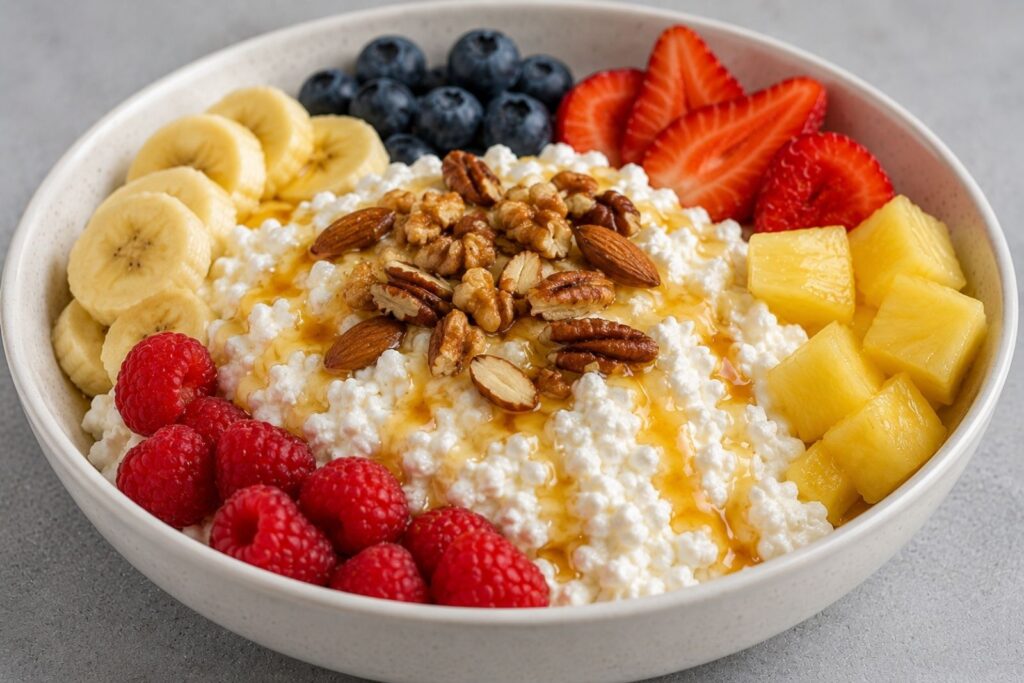
Cottage cheese is quietly one of the highest-protein dairy options available and it digests slowly, which makes it excellent before bed when your body is doing most of its muscle repair. Fresh fruit adds natural sugars and antioxidants without going overboard, and nuts bring in healthy fats that make the bowl feel complete. A drizzle of honey ties everything together and makes it taste like something you actually want to eat.
Why It Helps: Casein protein in cottage cheese feeds muscles overnight, fruit provides recovery antioxidants, and nuts supply magnesium which supports sleep quality and muscle function.
Tip: Try it with pineapple chunks for a bright, naturally sweet flavor that pairs well with cottage cheese.
10. Peanut Butter Banana Oatmeal with Chia Seeds
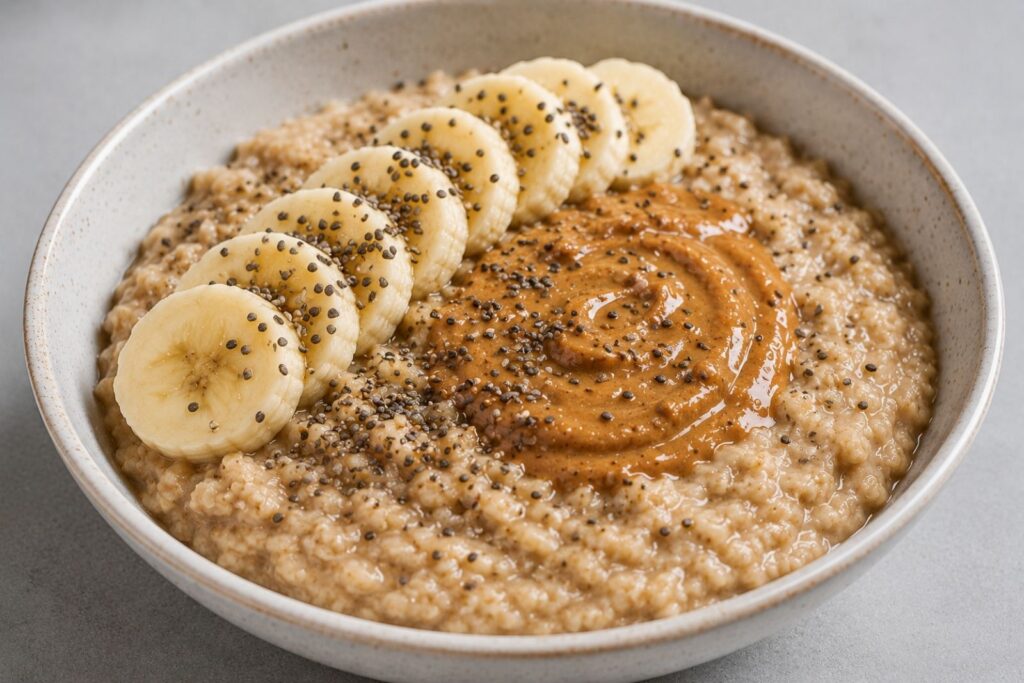
Oatmeal built with peanut butter and banana stops being a basic breakfast and becomes something closer to a performance meal, with protein, potassium, and slow-burning carbs all working together. Chia seeds add omega-3s and a surprising amount of calcium for something so small. It is the kind of breakfast that actually holds you through a full morning without needing a snack by second period.
Why It Helps: Potassium from bananas supports muscle contractions and prevents cramping, peanut butter adds protein and healthy fats, and chia seeds boost omega-3 intake without any extra effort.
Tip: Stir the peanut butter in while the oatmeal is hot so it melts through evenly.
11. Lentil and Vegetable Stew with Whole Grain Bread
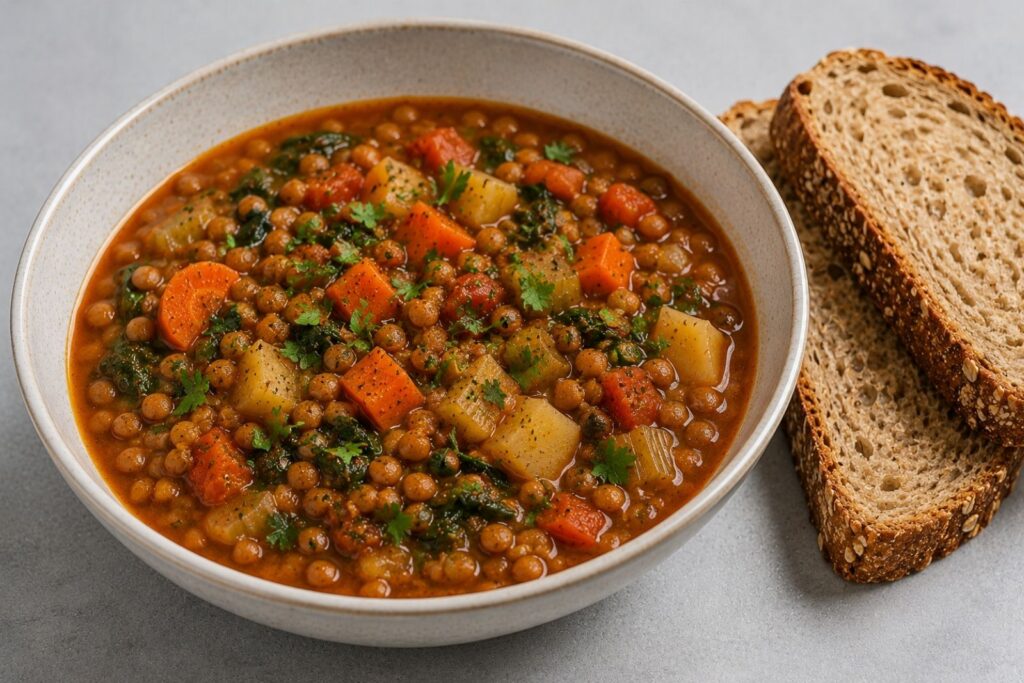
Lentils are one of those foods that overdeliver consistently, packing iron, protein, and fiber into something warm and genuinely comforting. A stew format lets you throw in whatever vegetables you have on hand, which means the nutritional profile can shift a little every time you make it. Whole grain bread on the side turns it into a complete meal that covers most of what a growing body needs in one bowl.
Why It Helps: Plant-based iron in lentils combats low energy, fiber supports gut health, and the combination of legumes with whole grains creates a complete amino acid profile.
Tip: Add a splash of lemon juice at the end of cooking to lift the flavor and help your body absorb the iron better.
12. Baked Chicken Thighs with Mashed Sweet Potato and Asparagus
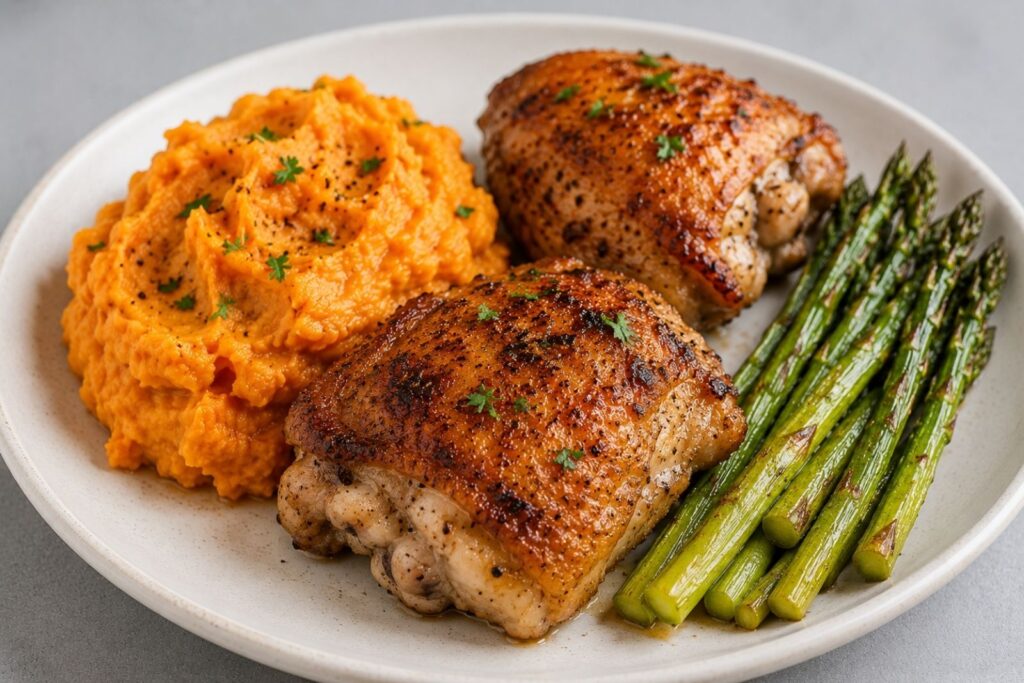
Chicken thighs get overlooked in favor of breast, but they are juicier, harder to overcook, and still carry plenty of lean protein worth building a meal around. Mashed sweet potato brings natural sweetness along with beta-carotene, which converts to vitamin A and supports eye health and immune function. Asparagus rounds the plate out with folate and antioxidants that play a quiet but important role in cellular growth.
Why It Helps: Protein from chicken supports ongoing muscle development, vitamin A from sweet potato aids tissue repair, and folate from asparagus is essential for healthy cell production during rapid growth.
Tip: Bake the thighs skin-side up without covering them so the outside crisps up properly.
You May Also Like
12 Healthy Meals for Teenage Girls to Support Energy and Health
13 Best Protein Sources for Muscle Growth and Faster Recovery (Complete Guide)
20 Easy High-Protein Snack Ideas You Can Prep at Home
Takeaways: Healthy Meals for Teenage Boys to Support Growth and Strength
Building healthy eating habits during the teenage years is one of the best ways to support growth, strength, and long-term health. Teen nutrition for muscle growth and energy comes down to consistency. Rotating meals rich in lean proteins like chicken, beef, and salmon alongside complex carbs and vegetables gives growing bodies everything they need to develop properly without relying on supplements or processed shortcuts. Iron, zinc, omega-3s, calcium, and fiber aren’t just nutrition buzzwords; they are the actual building blocks behind stronger muscles, sharper focus, better sleep, and fewer energy crashes throughout the day. Start with a few of these meals each week, build from there, and the results in energy, mood, and performance will speak for themselves. For more ways to build healthy eating habits, check out our guides on high-protein snacks, nutritious breakfasts, and well-balanced meals designed for both teenage boys and girls.