
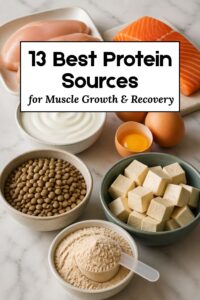
Getting enough high protein foods plays an important role in building strength, supporting recovery, and maintaining steady energy levels throughout the day. The right protein for muscle growth and recovery helps repair tissues after physical activity and supports long-term wellness, no matter your fitness level or routine.
In this guide, you’ll discover the 13 best protein sources for muscle growth and faster recovery, featuring a mix of everyday staples and nutrient-dense options that can easily fit into different lifestyles. Whether you prefer animal-based or plant-based protein, these muscle building foods can help support balanced nutrition without making meals complicated.
Disclaimer: This article is for informational purposes only and does not replace professional medical or nutrition advice. Protein needs can vary depending on lifestyle, health condition, and fitness goals. Consider consulting a qualified professional before making significant changes to your high protein diet.
Fun Fact
Your body doesn’t store protein the same way it stores fats or carbohydrates. This means you need to regularly eat high protein foods throughout the day to continuously support muscle growth and recovery. Consistent daily protein intake helps maintain strength, support tissue repair, and promote overall health. The word protein comes from the Greek word proteios, meaning “primary” or “of first importance,” highlighting its essential role in building and maintaining body structure.
How Much Protein Do You Need Per Day?
Protein needs vary depending on activity level, body size, and fitness goals. Getting the right amount of daily protein intake helps support muscle growth and recovery, maintain strength, and improve overall health.
General Daily Protein Guidelines
- Sedentary adults: about 0.8g protein per kg of body weight
- Active individuals: about 1.2–1.6g protein per kg
- Muscle gain or strength training: about 1.6–2.2g protein per kg
Quick Example
A person weighing 70 kg (154 lbs) may aim for:
- 56g protein/day (basic health)
- 84–112g protein/day (active lifestyle)
- 112–154g protein/day (muscle building)
Simple Tip
Try spreading your high protein foods across meals instead of eating most of your protein at once. Consistent intake helps support steady muscle recovery throughout the day.
Here are 13 best protein sources for muscle growth and faster recovery:
1. Chicken Breast
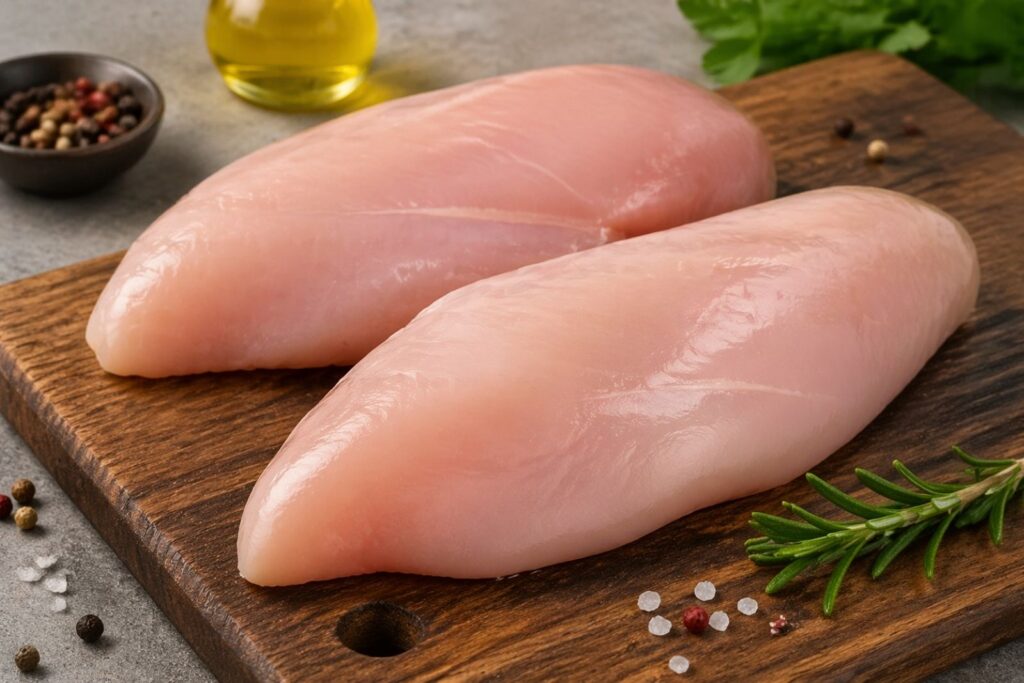
Chicken breast is one of the most efficient protein sources for muscle development, providing about 31g protein per 100g along with all essential amino acids needed for tissue repair. It is especially rich in leucine, the key amino acid that triggers muscle protein synthesis. Because it is naturally lean protein, it helps support muscle growth without adding excess calories, making it ideal for most fitness goals.
Tip: Grill, bake, or air fry for a simple lean protein meal prep option.
2. Eggs
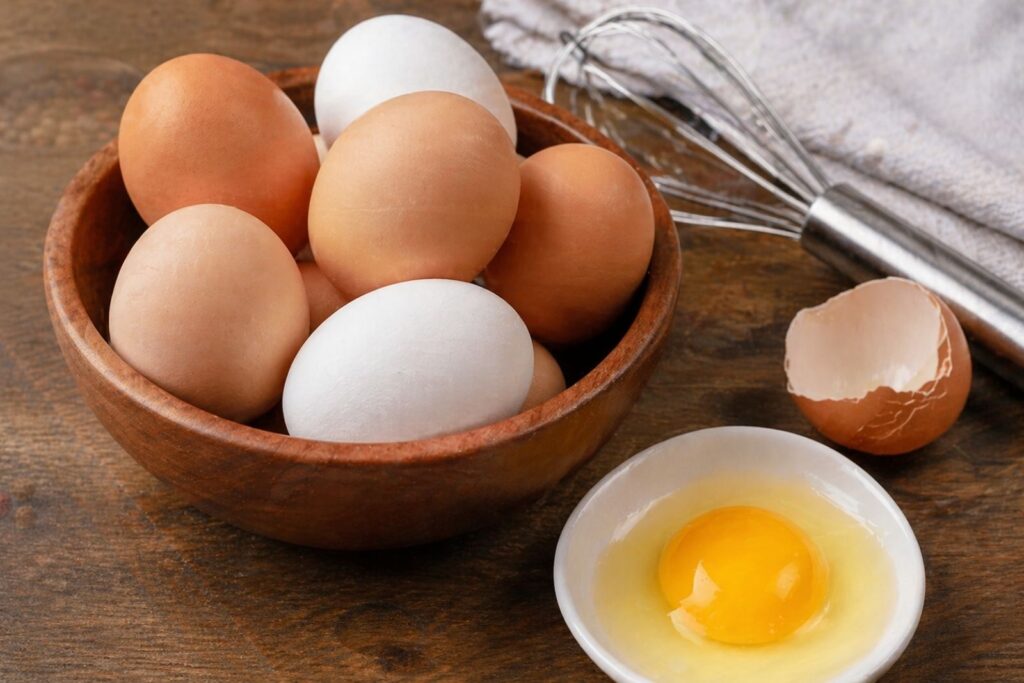
Eggs are widely considered one of the highest-quality protein foods due to their excellent protein absorption and complete amino acid profile. They contain important nutrients such as vitamin B12 and choline, which support muscle function and recovery. Their balance of healthy fats and protein makes them a practical option for building strength and maintaining overall health.
Tip: Boiled eggs make a quick high protein snack anytime.
3. Greek Yogurt
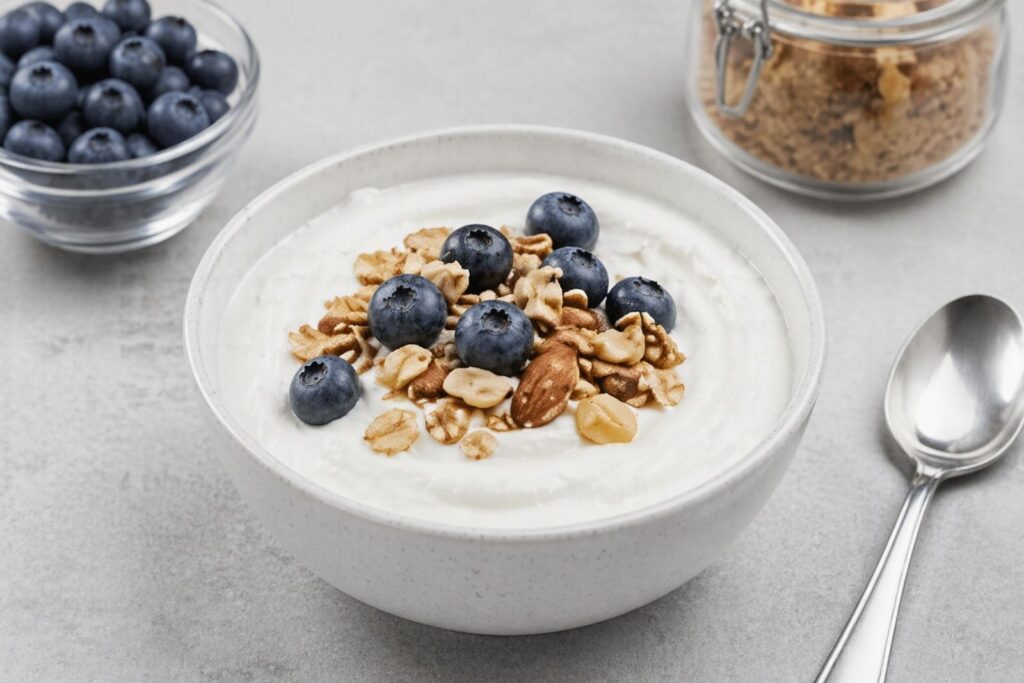
Greek yogurt provides approximately 15–20g protein per cup, combining fast-digesting whey and slow-digesting casein proteins that support both immediate and sustained muscle repair. It is also rich in probiotics, which support digestion and nutrient absorption. With its smooth texture and high muscle recovery benefits, it is a convenient protein choice for snacks or post-workout meals.
Tip: Add fruits or nuts for a balanced muscle recovery snack.
4. Salmon
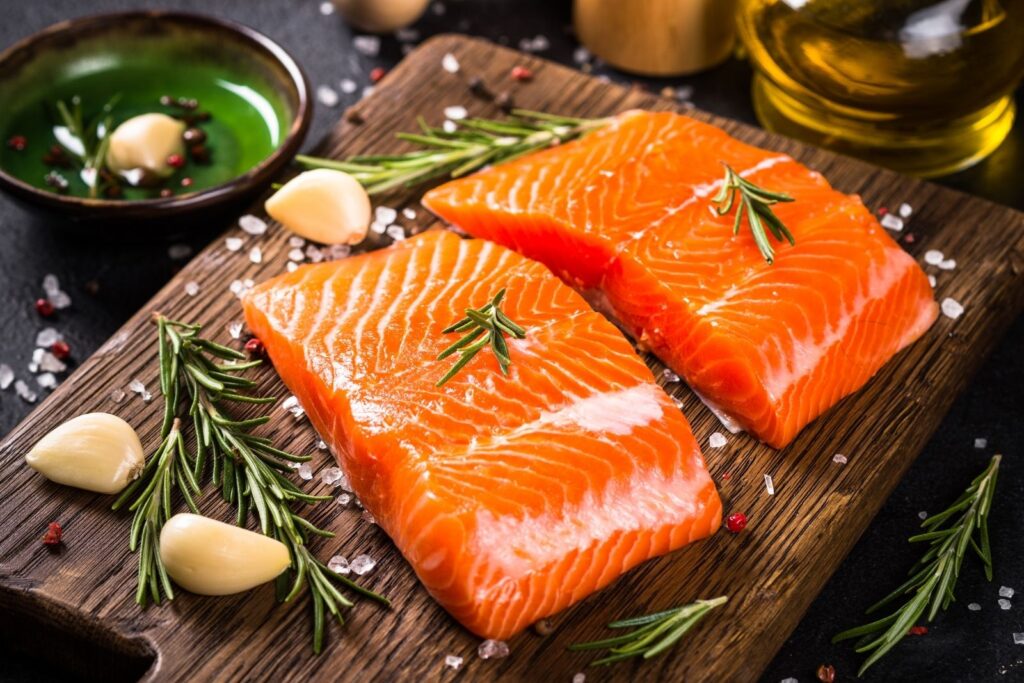
Salmon delivers about 25g protein per 100g along with beneficial omega-3 fatty acids that help reduce exercise-related inflammation. These healthy fats support joint health and improve muscle recovery after intense activity. Its rich nutrient profile, including omega-3 fatty acids, also contributes to heart health and overall physical performance.
Tip: Bake or pan-sear with simple seasoning for an easy high protein meal.
5. Cottage Cheese
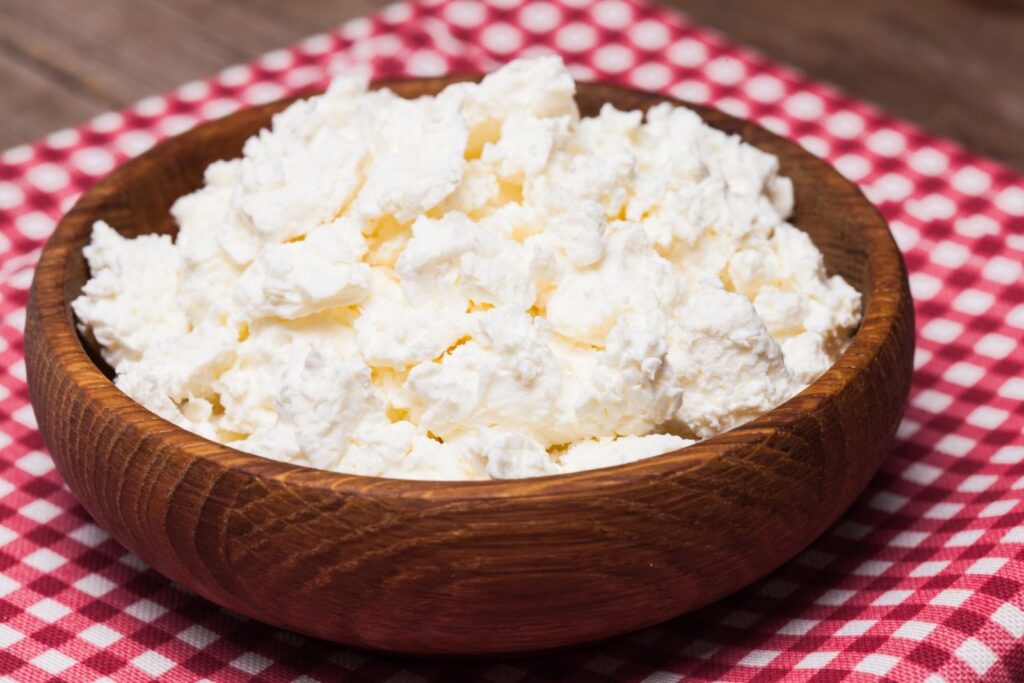
Cottage cheese contains roughly 25g protein per cup and is especially high in casein, a slow-digesting protein that provides a steady supply of amino acids. This makes it an excellent choice for overnight recovery, helping muscles repair while you sleep. It is also a high protein snack that is affordable and easy to include in daily meals.
Tip: Enjoy before bed to support overnight recovery.
6. Tuna
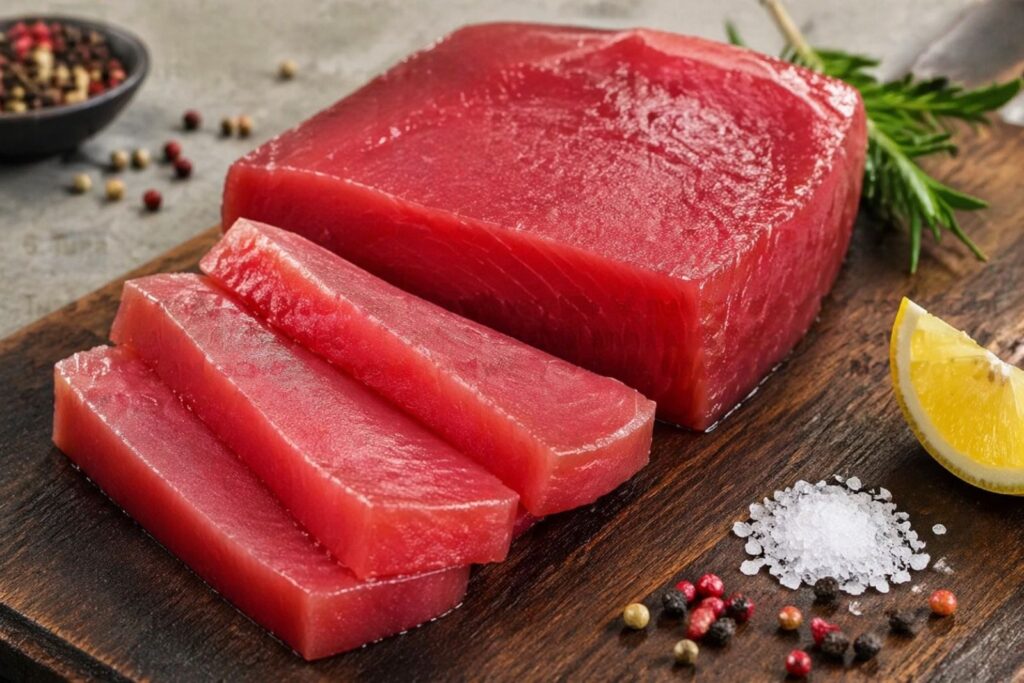
Tuna offers around 30g protein per 100g with very little fat, making it one of the most efficient protein-to-calorie foods available. It contains essential amino acids that support lean muscle development and recovery. Convenient and widely available, tuna is a practical high protein food for busy lifestyles.
Tip: Mix with vegetables or whole grains for a quick high protein lunch.
7. Lean Beef
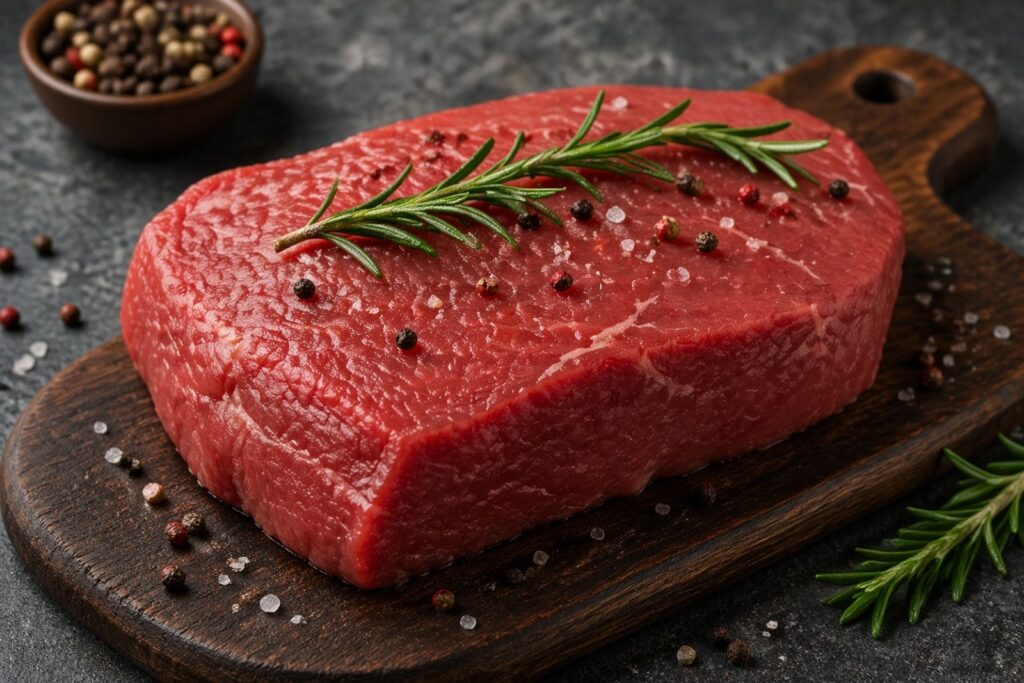
Lean beef provides approximately 26g protein per 100g along with nutrients such as iron, zinc, and creatine that support strength performance. These nutrients help improve oxygen transport and energy production, which are important for muscle growth. Its rich amino acid profile makes lean beef a highly effective complete protein source.
Tip: Choose lean cuts like sirloin for a balanced muscle building meal.
8. Edamame
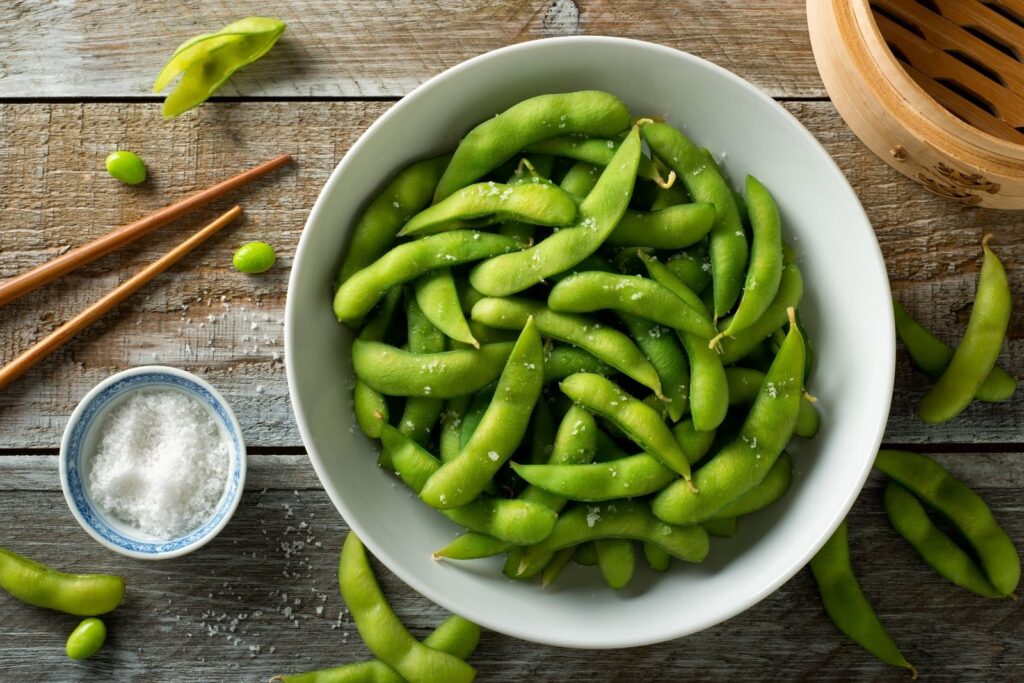
Edamame is a plant-based protein that supplies about 18g protein per cup and contains all nine essential amino acids. It also provides important minerals such as magnesium and iron that support muscle repair and energy production. As a naturally plant protein, edamame is suitable for a wide variety of diets.
Tip: Lightly steam and sprinkle salt for an easy plant protein snack.
9. Lentils
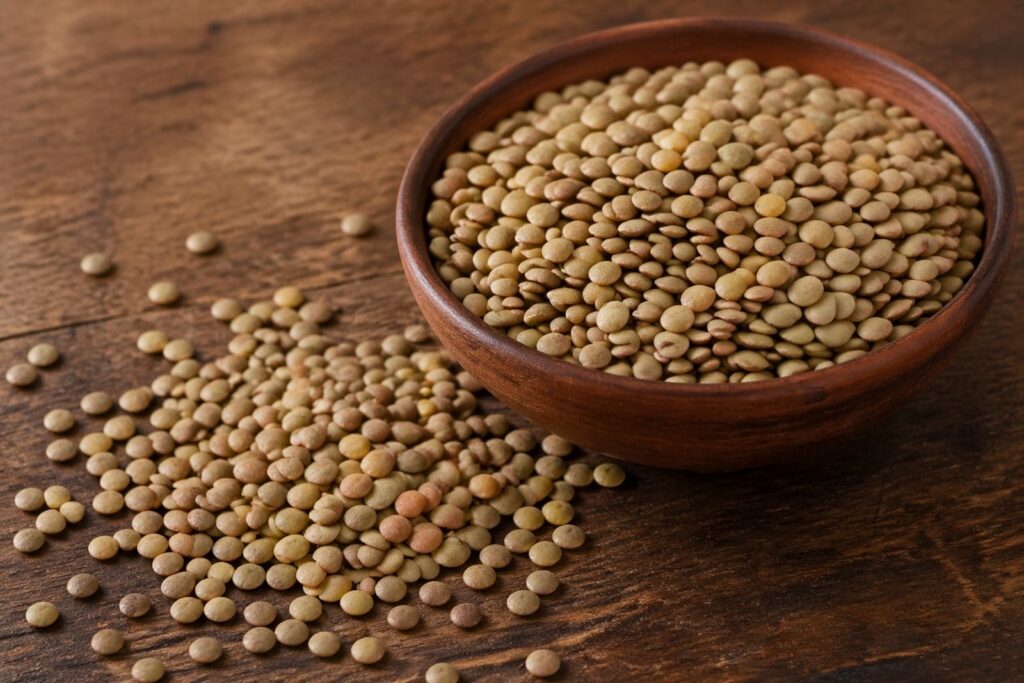
Lentils provide approximately 18g protein per cooked cup along with complex carbohydrates that help restore energy levels after exercise. They also contain iron and folate, which support oxygen circulation and muscle recovery. Affordable and versatile, lentils are a highly practical high protein plant food.
Tip: Add to soups or salads for extra high protein plant food.
10. Tofu
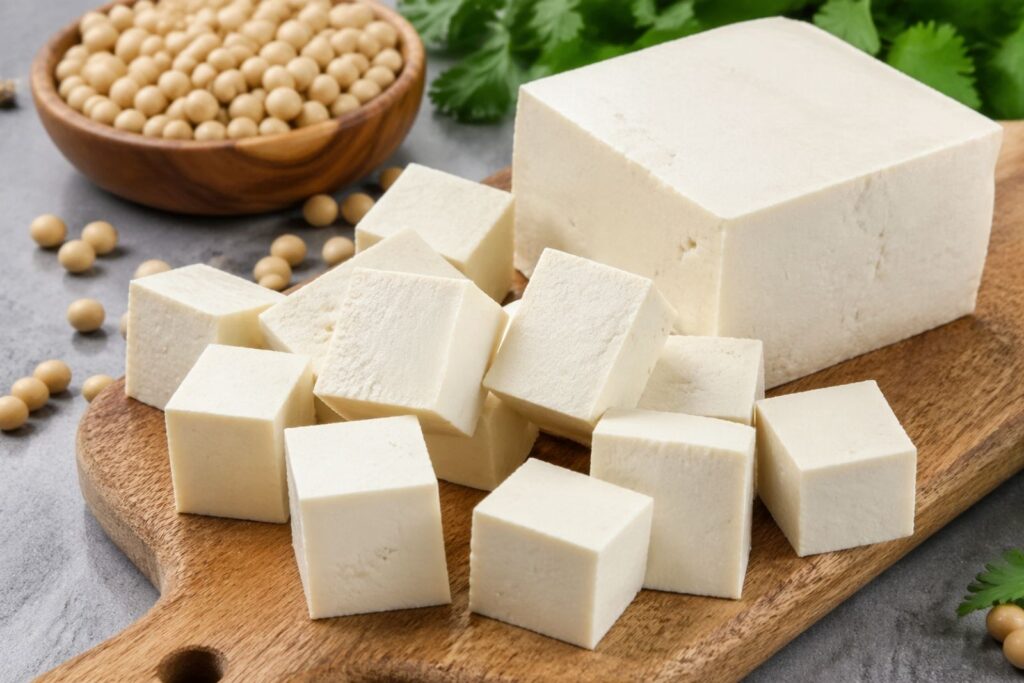
Tofu offers between 10–20g protein per serving depending on its firmness, making it a flexible protein option for many recipes. It contains all essential amino acids needed for muscle repair and growth. As a widely available plant-based protein, tofu easily adapts to different cooking styles.
Tip: Use firm tofu when stir-frying for better texture and muscle repair support.
11. Quinoa
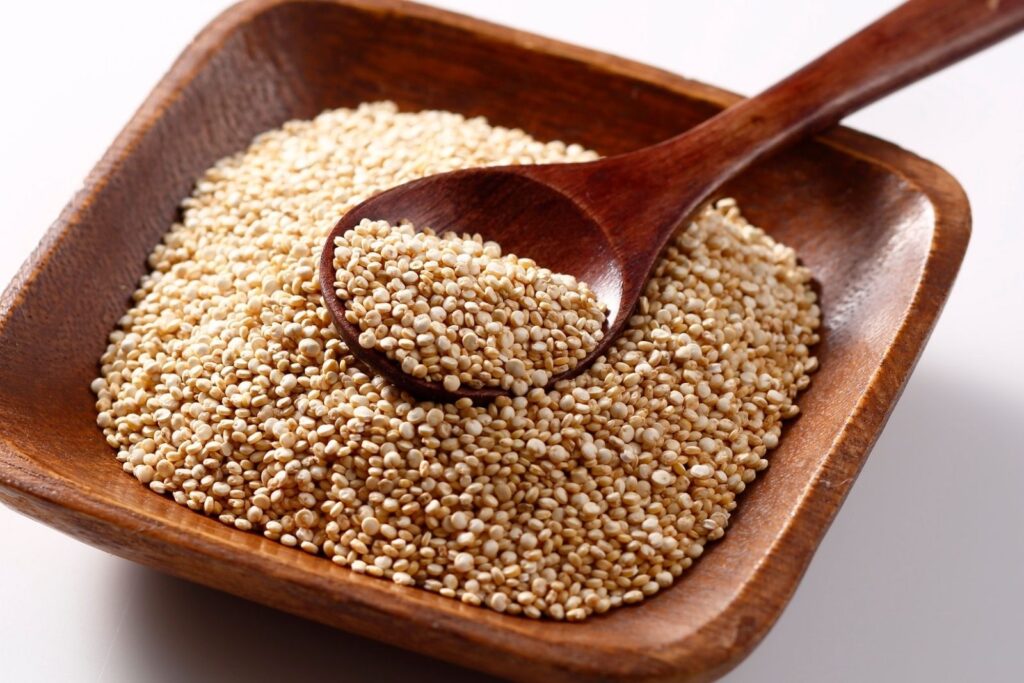
Quinoa contains about 8g protein per cooked cup and is one of the few plant foods that provides all nine essential amino acids. It is also rich in magnesium and complex carbohydrates that support muscle recovery and sustained energy. This naturally complete protein grain works well as a base for balanced meals.
Tip: Use as a rice alternative for a simple complete protein meal.
12. Whey Protein
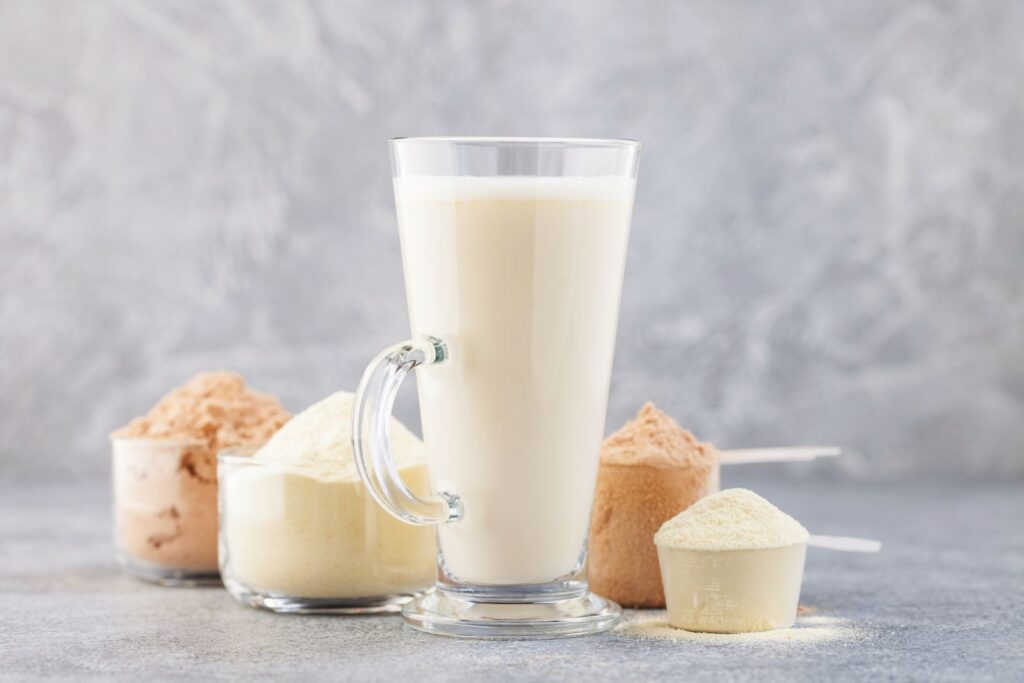
Whey protein delivers around 20–30g protein per serving and is quickly absorbed by the body, making it highly effective after workouts. It contains a high amount of BCAAs, which support muscle repair and reduce muscle breakdown. Due to its convenience and efficiency, whey is one of the most popular muscle building supplements.
Tip: Blend with milk or fruit for a convenient post-workout protein shake.
13. Black Beans
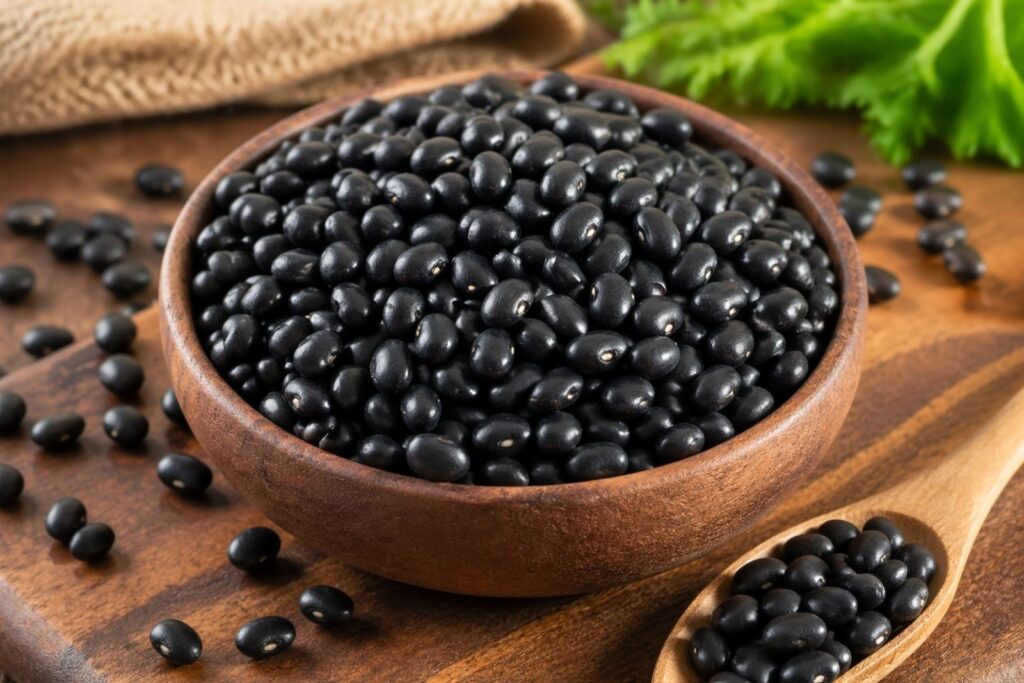
Black beans provide about 15g protein per cooked cup along with complex carbohydrates that help maintain energy levels during training. They also contain iron and antioxidants that support muscle recovery and overall wellness. As an affordable and filling plant protein, black beans are easy to include in everyday meals.
Tip: Add to bowls or wraps for a filling plant-based protein option.
FAQ (Frequently Asked Questions)
Is plant protein good for muscle growth?
Yes. Many plant-based foods like lentils, tofu, and quinoa provide essential amino acids that support muscle repair and strength development.
Can you build muscle without protein powder?
Yes. Whole foods such as eggs, chicken, fish, beans, and dairy provide enough protein for most people.
How often should you eat protein?
Spreading protein intake across meals helps maintain steady muscle repair throughout the day.
You May Also Like
25 High-Protein Overnight Oats Recipes for Meal Prep and Muscle Recovery
20 Easy High-Protein Snack Ideas You Can Prep at Home
12 Healthy Meals for Teenage Girls to Support Energy and Health
12 Healthy Meals for Teenage Boys to Support Growth and Strength
Takeaways: Best Protein Sources for Muscle Growth and Recovery
Choosing the right protein sources for muscle growth can help support muscle repair, maintain strength, and encourage better recovery after physical activity. Including a variety of complete protein foods and plant-based protein options can help provide essential amino acids needed for balanced nutrition.
You can revisit this guide anytime you need simple ideas for high protein foods that support your routine. If you found this helpful, consider sharing it with family, friends, or anyone who may also benefit from learning more about practical protein choices for everyday health.